
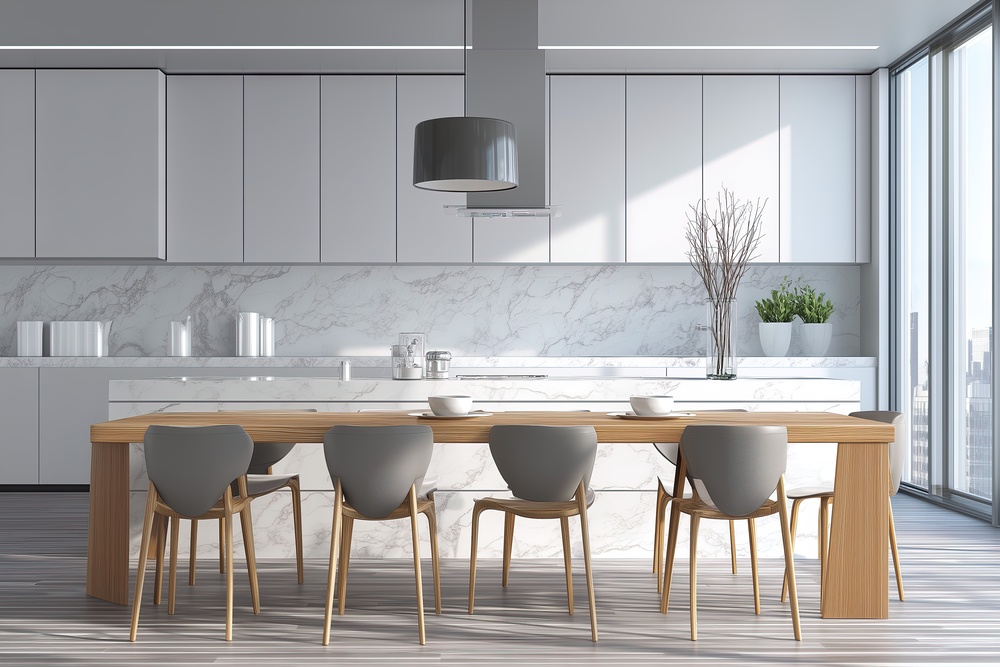
Some rooms grab attention the second anyone walks in. Others fade into the background despite expensive furniture and fresh paint. The difference rarely comes down to budget alone. Statement spaces share certain elements that work together to create memorable impressions. Understanding these elements helps transform forgettable rooms into spaces people remember and discuss long after leaving.
Bold Focal Points That Command Attention
Every statement space needs an anchor that draws eyes immediately. This is the focus. A large artwork transforms a room. An unusual light fixture is both art and light. A fireplace becomes visually dramatic with tile or stonework. Choose one key feature. Too many focal points weaken the effect. The element should be a bit oversized. That controlled excess creates the wow factor that basic rooms lack. Supporting elements then play backup roles, directing attention toward the star rather than stealing scenes themselves.
Unexpected Material Combinations
Safe choices create safe spaces. Statement rooms take risks with materials that shouldn’t work together but do. Silk curtains against rough concrete. Shiny chrome contrasts with aged barn wood. Granite countertops pair with recycled glass backsplashes in ways that surprise and delight. This is according to the experts at Bedrock Quartz.
You must balance these pairings carefully to prevent disorder. A single unexpected combo is superior to a group of three. The materials need a unifying element. This prevents the space from appearing chaotic. The surprise comes from seeing familiar materials in unfamiliar partnerships.
Color Courage That Breaks Convention
Neutral colors offer safety. Statement spaces use color to grab attention. The dining room’s mood changes with a purple accent wall. Emerald green cabinets make kitchens look like jewels. An orange door at the hall’s end sparks curiosity. Color courage goes beyond picking bold shades. It involves using color in unexpected places. Painted ceilings surprise because people expect white overhead. Colorful trim around neutral walls flips normal patterns. A single piece of furniture in a shocking color anchors an otherwise subtle room. These moves take confidence but deliver huge visual payoff.
Scale Play That Defies Expectations
Statement spaces mess with proportion on purpose. Oversized art makes walls feel bigger. Enormous mirrors double visual space. Extra-tall curtains hung near the ceiling make windows seem grand even when they’re standard size. Going small works too when done deliberately. A collection of tiny objects arranged on a massive wall creates an intriguing contrast. Delicate furniture in a large room feels intentional rather than lost. The trick involves pushing scale far enough to feel purposeful. Slightly-off proportions just look like mistakes. Dramatically different proportions look like design choices.
Lighting Layers That Create Drama
Basic rooms rely on overhead fixtures to flood spaces with even light. Boring. Statement spaces build lighting in layers that create depth and shadow. Soft light from up-lighting illuminates the walls. Spotlights highlight artwork or architectural features. Table lamps pool warm light in seating areas. Candles flicker on surfaces. Dimmers control the show, allowing rooms to shift from bright and energetic to moody and intimate. The lighting becomes part of the design rather than just a functional necessity. Fixtures themselves add sculptural interest even when switched off.
Conclusion
Statement spaces don’t happen by accident or budget alone. They result from brave choices about focal points, materials, color, scale, and lighting. Each element supports the others in creating rooms that stick in memory. These spaces reflect personality rather than playing it safe. The transformation from basic to statement doesn’t require gutting rooms or spending fortunes. It requires vision, courage, and understanding how bold choices in key areas overcome timid choices everywhere else. The result? Rooms that feel like experiences rather than just square footage.
